Understanding the Differences Between Paper and Mesh Tapes in Wall Work
Choosing between paper tape and mesh tape is an important decision in wall work. Each type has unique properties that affect the outcome of your project. Whether you’re a professional or a DIY enthusiast, understanding these differences can help you make informed choices. In this guide, we’ll explore the benefits, challenges, and best practices associated with both tapes. By the end, you’ll have a clear understanding of which tape suits your specific needs.
Advantages of Using Paper Tape
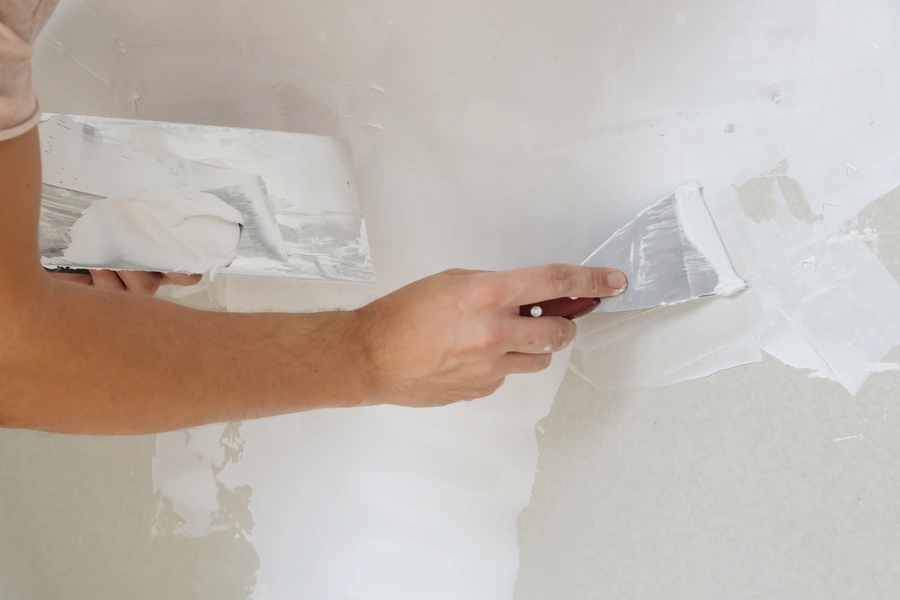
Paper tape is a popular choice for many professionals due to its cost-effectiveness and versatility. This tape does not stretch, which helps prevent cracking over time. It’s ideal for use on flat seams and corners because it creates a smooth finish when applied correctly. Furthermore, paper tape is usually embedded in joint compound, providing a strong bond that holds well under different conditions.
The Benefits of Mesh Tape
Mesh tape offers several advantages as well. It’s self-adhesive, making it easier to apply than paper tape. You don’t need a layer of joint compound underneath to secure it in place, which speeds up application time. Because it’s made from fiberglass, mesh tape is resistant to mold and mildew-important factors in humid environments. Additionally, mesh tape’s open weave design allows for better bonding with joint compounds.
Challenges With Mesh Tape
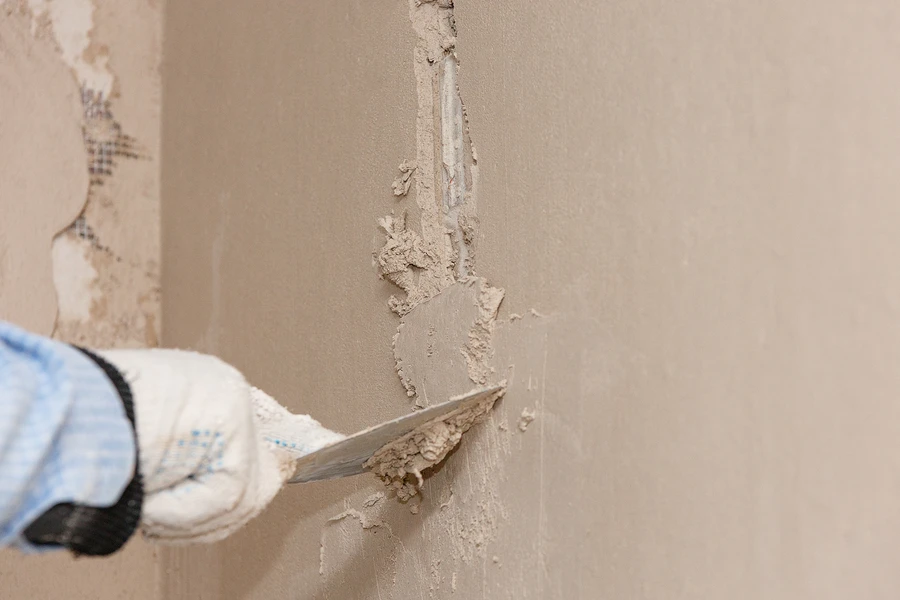
Despite its advantages, mesh tape has some drawbacks. One major concern is its tendency to allow cracks if applied incorrectly. The open weave requires extra care during application to ensure a proper bond with the compound. Another issue is visibility; mesh tape can show through thin layers of compound, requiring additional layers for complete coverage. This can increase both material usage and completion time. Drywall taping using mesh often involves these considerations.
Tackling Common Drywall Taping Issues
A frequent challenge with drywall taping is ensuring seamless joints. For beginners, achieving smooth finishes without bumps or bubbles can be difficult. Practicing proper techniques such as feathering edges and applying consistent pressure will minimize these issues. For both types of tape, ensuring adequate drying time between coats is crucial to prevent future problems.
Best Practices for Applying Paper Tape
Applying paper tape effectively requires precise handling. Start by laying a thin coat of joint compound along the seam. Press the tape onto the compound while removing any air bubbles. Cover the tape with another layer of compound, smoothing the surface with a joint knife. Allow each coat to dry completely before sanding down any uneven areas. These steps help ensure durability and a polished finish.
Steps for Efficient Mesh Tape Application
- Prepare the drywall surface by cleaning and lightly sanding.
- Cut the mesh tape to the desired length and stick it firmly over the seam.
- Apply a generous amount of joint compound over the tape.
- Smooth out the compound using a trowel or taping knife.
- Allow the area to dry thoroughly before sanding any rough patches.
Cost Considerations Between Paper and Mesh Tape
The costs associated with paper and mesh tapes vary based on quantity and quality. Generally, paper tape tends to be less expensive than mesh tape. However, when considering overall project costs, including time and additional materials like extra compound for mesh tape applications, expenses can balance out. Evaluate your project’s budget alongside performance needs to determine the most cost-effective option.
Your Best Choice for Drywall Projects
If you’re involved in drywall projects in Smyrna, TN, selecting the right type of tape will enhance your workmanship significantly. At AAA Garcia Drywall, we offer expert advice tailored to your needs. Contact us at (615) 775-5347 for guidance on choosing between paper tape and mesh tape. Our team ensures high-quality results for every project you undertake.